
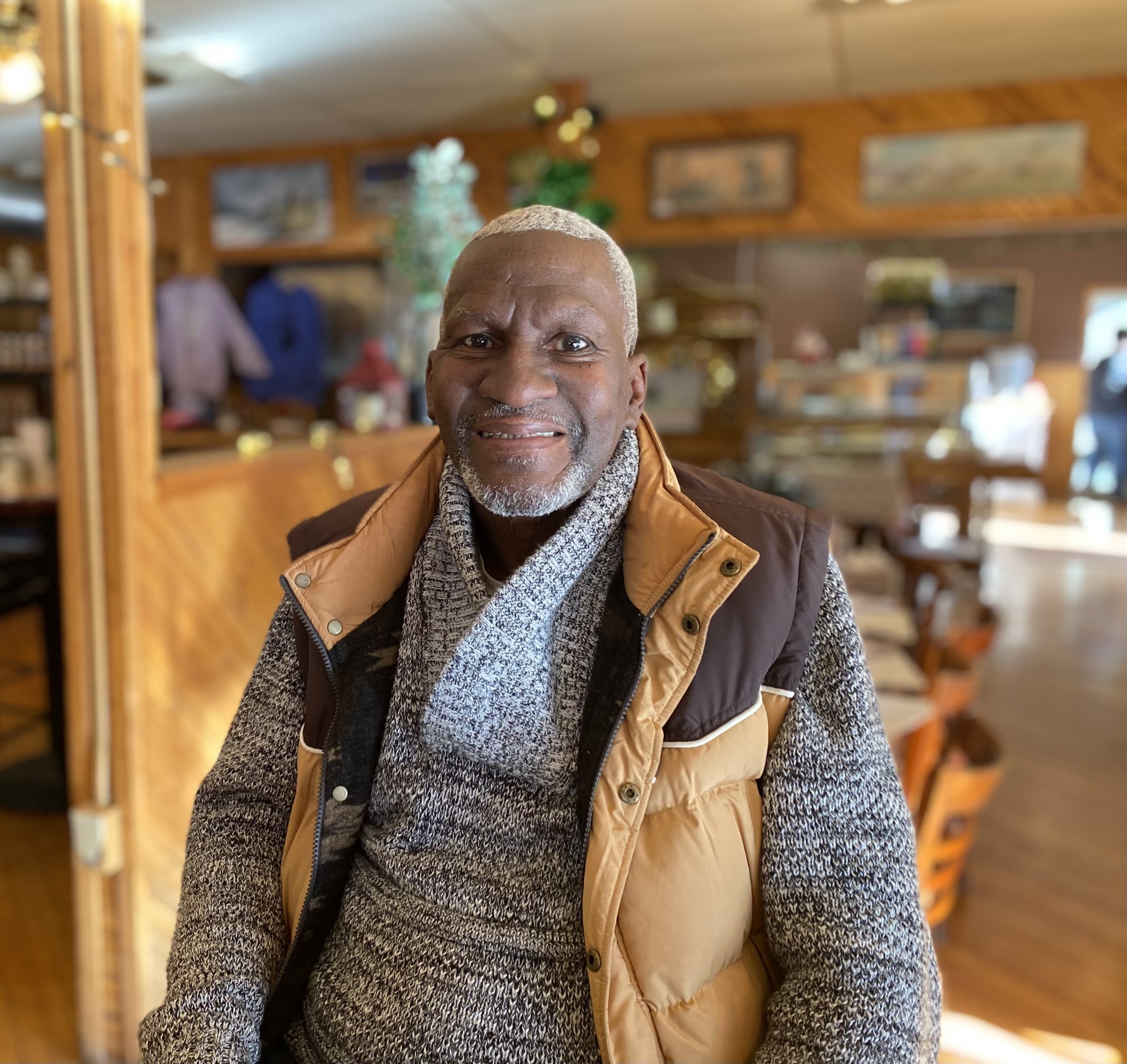
When you meet Willie Green, he greets you with a smile that goes beyond “nice to meet you.” There’s gratitude for the moment that’s striking. If you see him taking a walk outside — perhaps on Woodard Avenue in Absarokee, where he lives with his wife Carol – you’ll probably see him stop and bask in the sunshine.
Willie doesn’t take these moments for granted. For 27 years he was locked up, doing most of his time at San Quentin Prison, one of the more dangerous and crowded penitentiaries in the country.
He was charged with the murder of Denise “Dee Dee” Walker, a crime he did not commit. Willie had only met Dee Dee once. His cousin Husky dated her and, when they split up, he helped Husky move out from the place they had together. Willie was told to take the TV, which he didn’t realize belonged to Dee Dee. In 1980 he was arrested for theft.
At the time, Willie was working at a Rolls Royce dealership in Beverly Hills. He was treated well by his bosses and got to rub shoulders with some of the biggest names of the era, including Michael Jackson, Lucille Ball, Don Rickles, Lou Rawls and Johnny Carson. The Canton, Mississippi native was making his way in California. He’d only lived there a few years, and things were looking up. That hadn’t always been the case for Willie, who found himself growing up in the heart of the Jim Crow South then got in with a bad crew while living in Chicago. He was cleaning himself up now, swearing off the drugs, straightening up and flying right.
Then, in September of 1983, four officers from the Los Angeles Police Department came to his door, armed with shotguns. It turned out the lone witness at the dope house when Dee Dee was killed on Aug. 9, 1983 — Willie Finley — identified Willie Green as the culprit. It was later determined, however, that LAPD Detective John Bunch guided Finley into selecting Willie Green when he was brought in for questioning. At a 2007 evidentiary hearing, Willie Finley recanted his trial identification, leading the way for Willie’s redemption which was made possible by Centurion Ministries Executive Director Jim McCloskey, founder of the first organization devoted to exonerating wrongfully convicted prisoners serving life sentences or sentenced to death.
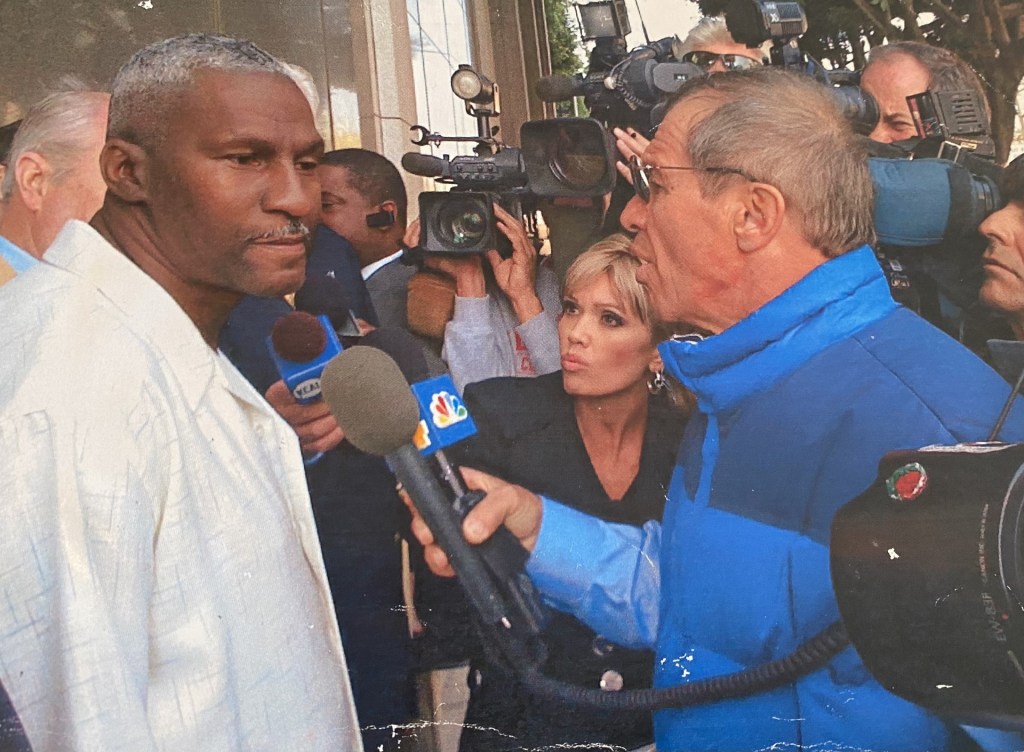
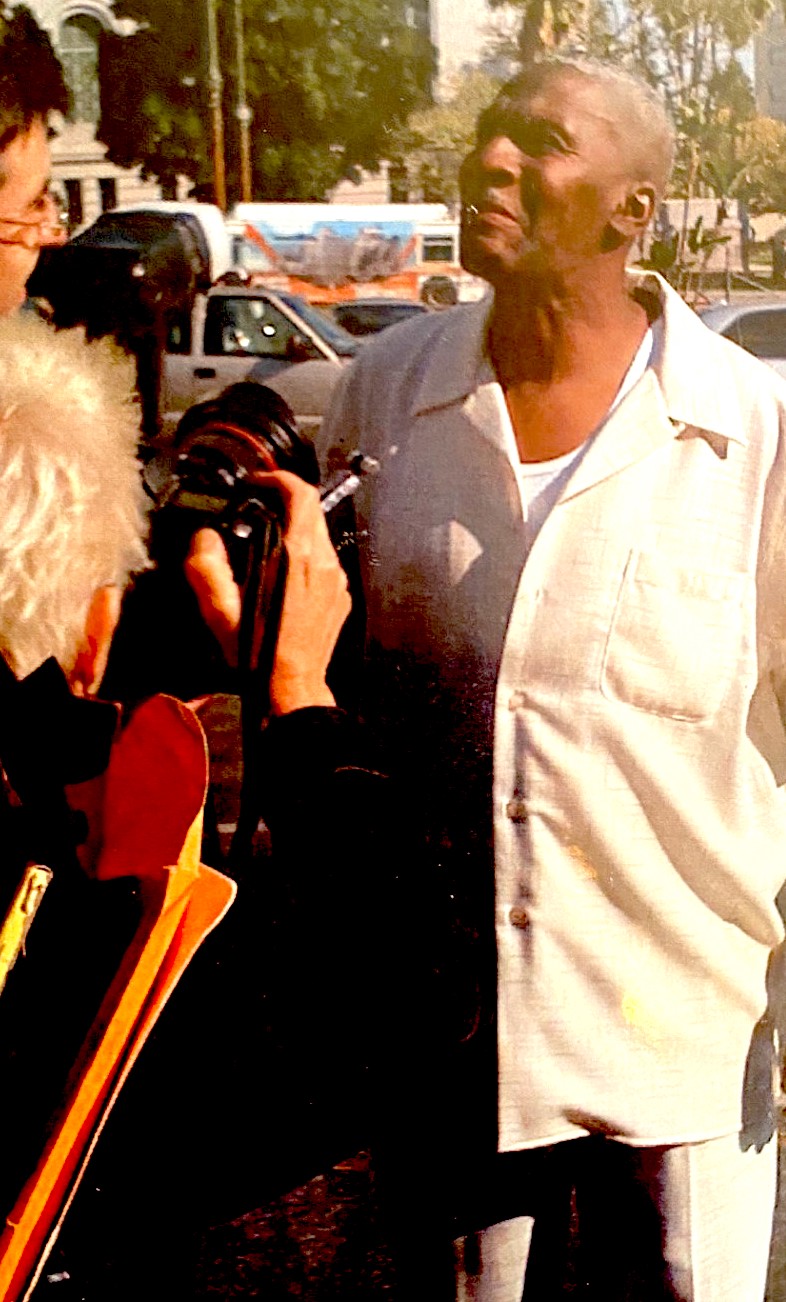
On March 21, 2008 (Good Friday), at the age of 56, Willie was set free. He remembers that day perhaps better than any other: the exhilaration, the sunshine on his face and media everywhere. It was a different world. When a reporter asked him what he’d like to do first, he said he “wanted to talk on one of them cell phones.” The reporter handed her cell over to him, and he got to have his first cell phone chat, followed by his first Starbucks coffee.
It’s been 16 years now since Willie’s release, and as thankful as he is to be free, it’s hard for him to shake the horrific experience.
“I watched 13 men pass by my cage on their way to get executed,” Willie said. “There were some cold, cold, cold, cold cats in there.” This includes “Night Stalker” Richard Ramirez and Billy Ray Hamilton, who both died in prison before taking the walk to the gas chamber. Other notable inmates Willie met include Scott Peterson (convicted of murdering his wife and unborn child) and Stan “Tookie” Williams (co-founder of the Crips, an infamous L.A. street gang).
Gang activity was prevalent from the beginning of Willie’s time on the inside right until the end. Early on in his sentence he was beaten up badly, suffering a ruptured kidney and other injuries. For the most part, however, Willie said he was able to steer clear of the line of fire when violence erupted. Still, there were far too many moments when he didn’t feel safe. He still has nightmares almost every night.
Willie could go on and on about the awful things he saw in the pen, and as much as it pains him to recall, what hurts more is coming to terms with everything he missed.
“My whole family died off, man,” he said. “My mother, father, grandparents, brother, older sister…They were all I had. It really hurt that I didn’t get a chance to be with my dad. He was a good man. He worked for 35 years on a job and never missed a day.”
Willie recalls the last conversation he had with his dad, who asked him when he was coming home. Just telling the story brought Willie to tears. He couldn’t bring himself to tell his family where he was, and why he couldn’t make it home. He just said, “I’ll be there,” wishing, hoping and praying that day would come.
Years passed by, and — although Willie stayed busy educating himself on the law, earning a BA in Sociology (that would lead to work as a drug and alcohol counselor) and teaching a GED course for inmates — he’d still find himself alone with his thoughts at night: What if I’d stayed in Mississippi one more week before coming back to California? Then I’d have an alibi. What if I hadn’t come back to California? But Willie couldn’t let himself go there. Instead, he kept educating himself and held onto his faith.
“I always had hope,” he said. “I had to keep thinking I was gonna get out.”
Willie did more than pray. He stayed persistent and vigilant, writing “ from the White House to the outhouse,” desperately seeking someone who could shed light on the truth and set him free. It wasn’t until 2003 that these efforts started looking promising. That’s when Willie got a letter from McCloskey, who said he’d look into the situation.
Letting freedom ring
Once Willie’s story got out he was a popular man. He was on CNN, in “People” Magazine, the L.A. Times and more. He also received visits from the likes of rapper/actor Ice-T and actor Danny Glover. Willie has shaken hands with many famous entertainers, politicians and businessmen through the years, and he’ll continue to do so, as he is not shy about sharing his experience.
“People need to hear my story,” Willie said. “That’s why I speak all over the country. I speak all the time and support [Centurion Ministries] at their fundraisers. I’m headed to Princeton again next month.”
It is Willie’s belief that his story is about much more than one man persevering through what seems insurmountable; it’s about the importance of faith and how all things are possible through God.
“No matter what you might think you’re going through, don’t give up,” he said. “Don’t give up on yourself and don’t give up on your family.”
That’s why Willie wrote his book, “Just to Be Free: Searching for Hope in a Death Sentence,” published in 2017. The book was co-written with finance, industry and automotive business owner Jason Pitts. It is Jason and his Penny who brought Willie and his wife out to Stillwater County in September of 2023, a place Willie said is starting to feel like home. He’s grateful to be here in Montana and appreciates the warmth and good nature of the people. They’ve been kind and comforting, he said, and have also offered assistance, something he said he could certainly use right now.
“I was freed, but they didn’t give me any money,” he said, {span id=”docs-internal-guid-a361d554-7fff-ab1c-d934-7dd24224e565”}{span}referring to losing a suit against the LAPD for violating his civil rights.{/span}{/span} “They locked me up for 25 years and now I’m 72 years old. I can’t work. I don’t even have a car. I’d appreciate any kind of help I can get right now.”
Willie said he’s also interested in sharing his story locally, be it at schools or at other functions. For more information, or to purchase a book, call Willie at (769) 969-3336. He enjoys talking on his cell phone.

(As published in the Stillwater County News, March 28, 2024)
 charliebigsky.com
Leave a comment