
Ten years ago, I sat at a cabin outside Livingston with my late friend Jim Devine, working out the chord progression to not just a love song but a meditation and a discipline. Jim was approaching 50, and 23 years of marriage. I was in my early 30s, getting married that June, and couldn’t quite comprehend just how much my life would change.
We wrote “Get It Right” in a single afternoon—a bluesy meditation with a deceptively simple hook: “Wasn’t lyin’ when I said I love you / Wasn’t lyin’ when I said I do / I’ve been trying to get it right / I’ll be trying for the rest of my life.”
Jim knew it wouldn’t be an easy road for me. He didn’t say it that way, but he’d smile knowingly when we’d talk about marriage, offering gentle wisdom without judgment. He was always encouraging, helping me understand that the song wasn’t just for my wedding day—it was something others could relate to, a simple truth about commitment that everyone who’s married
eventually faces.
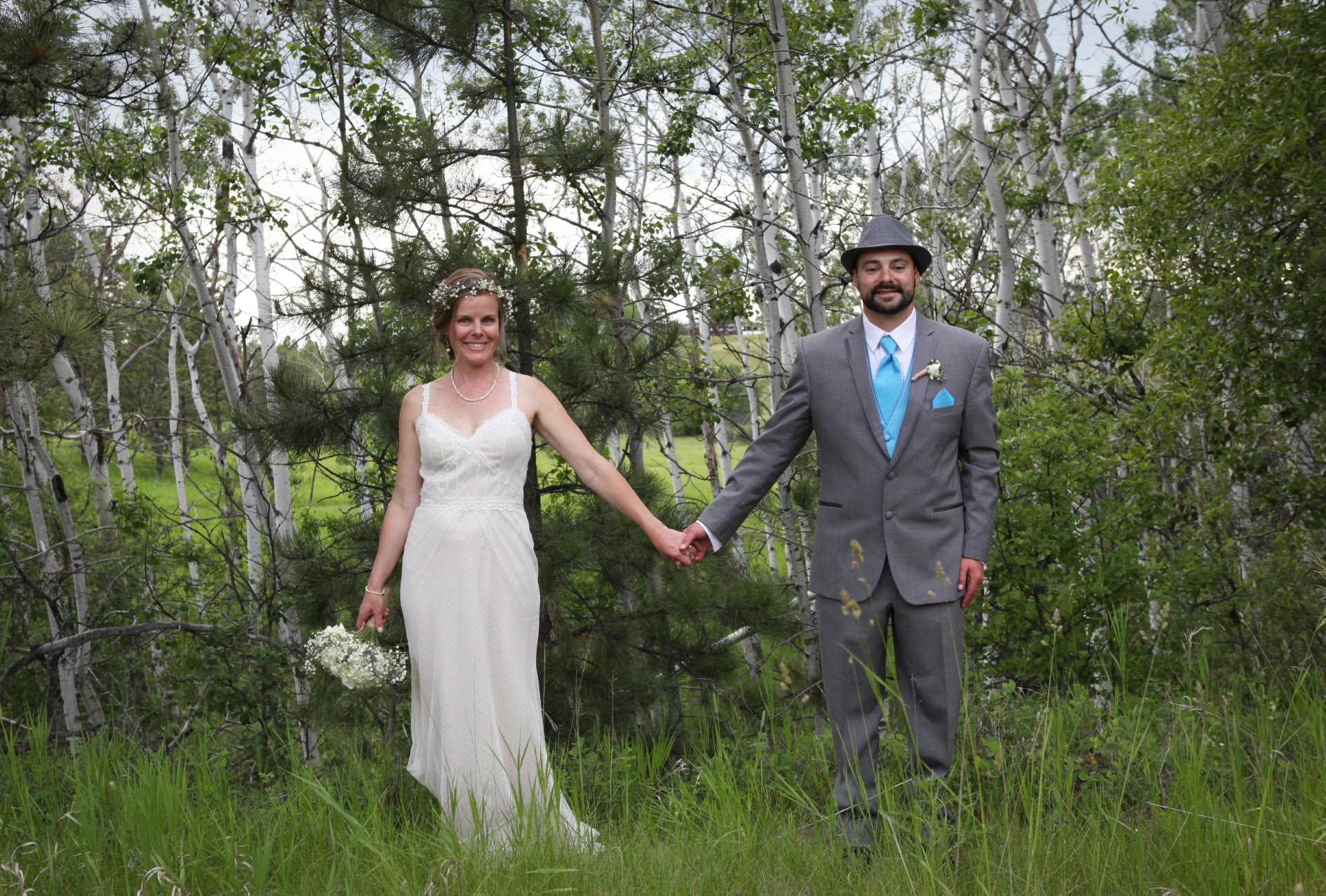
I surprised Kari with it at our wedding—a vow set to the blues that I belted out while people filled the dance floor.
Over the years, Jim and I would revisit the song. We’d talk about where we were getting it right and where we weren’t. One time I told Jim I had more empathy for the husbands on the 90s sit-coms, particularly Tim “the Tool Man” Taylor, and he’d laugh and nod. “Sometimes that’s just
how it is, Chuck.”
“Get It Right” is a fun song to play live because sometimes—after the show—men come up to me and share their stories of trying and failing and trying again. The song is bigger than my wedding day—it’s a song that welcomes conversation about what it really means to stay committed. This is the case with bandmates, too. It’s led to some powerful, honest conversations during rehearsal, too.
Valentine’s Day has a way of selling us fantasies. Perfect love. Effortless romance. Couples who never argue about boundaries and priorities. But that’s not marriage. That’s a greeting card.
Marriage is what happens when the dopamine rush fades and you’re left with a real person — complicated, occasionally infuriating, sometimes dealing with health challenges that test both of you. It’s choosing to stay when staying gets hard. It’s the “rest of my life” part of the song, the part that means showing up even when you’re tired, even when you’ve gotten it wrong.
And I do get it wrong. More than I’d like to admit. I forget to listen when I should. I prioritize work when I shouldn’t. I let my own insecurities create problems that don’t need to exist.
But here’s the thing: Kari’s been encouraging through all of it. She knows I’m trying. She sees the effort, even when I stumble. That grace—that willingness to let me keep trying—is what the song’s really about. The vow isn’t just mine. It’s ours.
When Jim and I wrote “Get It Right,” we captured something true: Getting it wrong doesn’t break the vow. Giving up does.
“I’ve been playin’ this game for too long / I’ve been playin’ and gettin’ it wrong/ Gonna get it right.”
Notice that: Gonna get it right. Future tense. Always reaching.
The last verse shifts to rejoicing, to being ready for what comes next. Marriage isn’t just grinding through hard times—it’s also celebrating the good ones: the moments when everything clicks. A big part of marriage is being intentional about creating such moments, not getting stagnant, not
settling. Like a friend told me recently, “never stop dating your partner.”
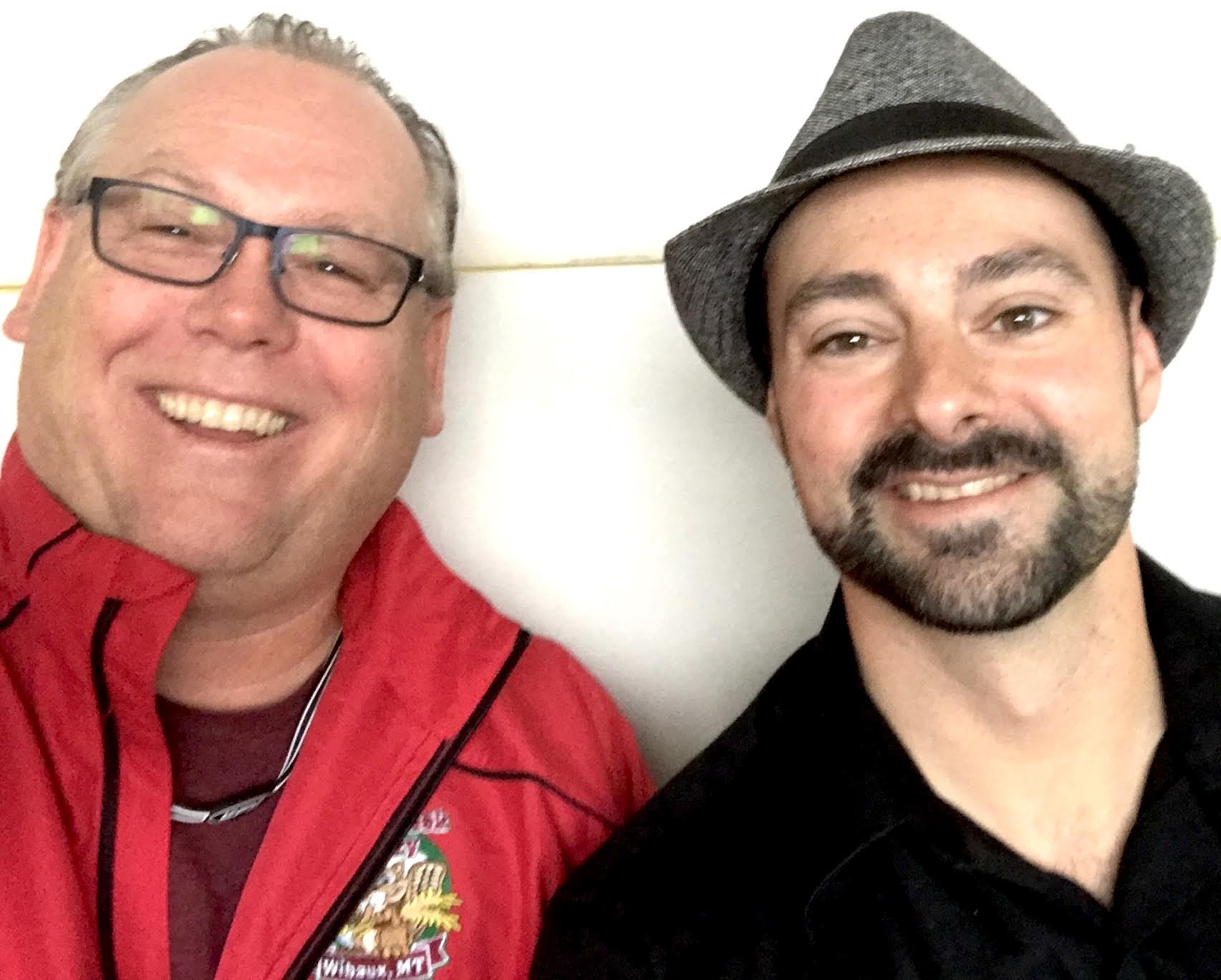
I released a live version of “Get It Right” as a single. Jim is on the recording, too, as well as his Tall Boys. The song lives on, and so does our marriage, but sadly we lost Jim to cancer in 2022. When I think of this song, I don’t just think of the vow I made, but I also think about how Jim honored his wife, how he worked hard to get it right, and how what mattered most to him at the end was the love they had.
This Valentine’s Day, I won’t pretend I’ve mastered marriage. I haven’t. But I’m still trying. Still showing up. Still working on getting it right, one imperfect day at a time.
Because I wasn’t lying when I said I love you.
And I wasn’t lying when I said “I do.”
As published in the Stillwater County News
 charliebigsky.com
Leave a comment