
Josh Murdock ordered a whiskey. I ordered a non-alcoholic beer. It was May 2022, my first day as editor of The Boulder Monitor, and Josh, the man I was replacing, was showing me the town. We went all over, on foot, and finished the shift from a stool at the Windsor Bar.
He had landed his dream job as outdoors writer at the Missoulian and was doing a poor job of hiding it. More than anything, he said, he might miss the steaks. He affectionately called Boulder the “island of misfit toys,” a place strange yet comfortable, welcoming yet challenging.
As he talked about the obstacles he’d faced, I looked out the window at the vacant bar across the street.
“Have you done a story on the Duffy murders?” I asked.
He hadn’t. We looked up the date and did the math. That one, we agreed, should wait for the 40th anniversary.
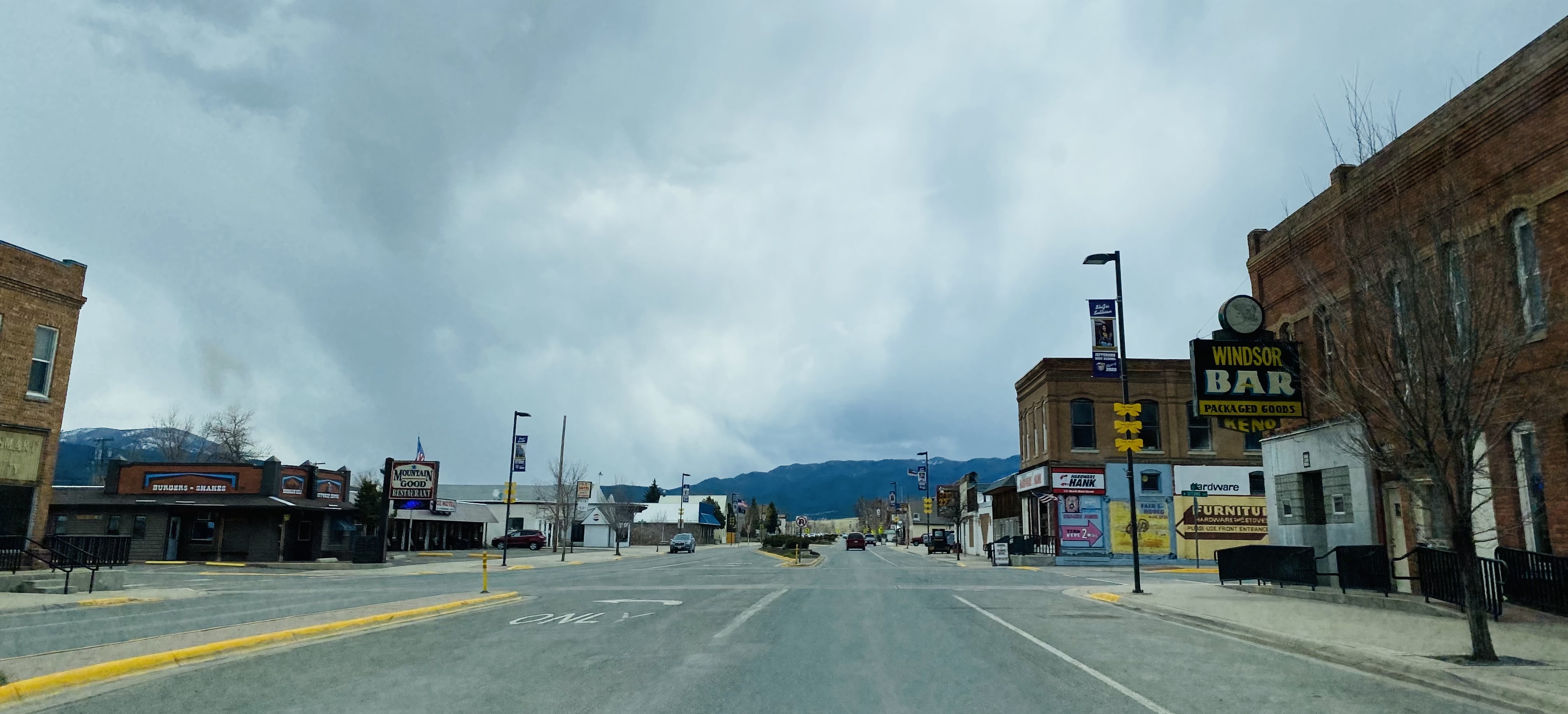
I left Boulder three years short of it. The anniversary came anyway, and the story I meant to report has become a reflection.
On Nov. 18, 1986, Terry and Marie “Babe” Duffy were running The Lounge, a quiet bar at 230 N. Main. Pictures of their son hung on the walls. Patrick Duffy was Bobby Ewing on “Dallas,” and his parents were proud.
That day, Sean Wentz and Kenneth Miller, both 19, went hunting outside Helena. By nightfall they were drinking. According to an abstract of the case compiled by Ellen Rae Thiel and kept at Boulder’s Heritage Center, they headed for Boulder Hot Springs because they’d heard there were naked women there. They stopped at The Lounge for directions, missed the turnoff and ended up at a nearby home, where a 14-year-old boy opened the door to a shotgun. His mother called the police.
The two went back to The Lounge.
Terry Duffy had already thrown them out, Patrick Duffy said this month on the “Still Here Hollywood” podcast with Steve Kmetko. Now they walked in armed. Terry stepped toward them and started to say, “I told you…” They shot him. Marie, doing a crossword at the other end of the bar, ran to her husband. They shot her, too.
“If that wasn’t stupid enough, instead of just running, they jumped over the bar to the cash register,” Duffy said.
Sleet blew through town that night. Shortly after 10 p.m., the Duffys were found, reportedly by people stopping for a drink after the shift change at the Montana Developmental Center. Wentz and Miller were arrested within hours. Both went to prison, and both have since been paroled, according to published reports.
By 9 the next morning, reporters from London, West Germany, New York and Australia were calling Main Street. The cafes filled up anyway. People were shocked, wrote Jerry Wright of the Independent Record, but “they also had work to do and planned on getting to it.”
Patrick Duffy got to work, too. He had been practicing Buddhism for 15 years when the call came. His boys were getting up for school.
“We have to chant for grandma and grandpa,” he told them, “because they’re going to understand it and hear it.”
He says he never felt separated from his parents. Suffering, as he sees it, is scar tissue, a reminder of what we can overcome.
I keep thinking about the turn those two missed.
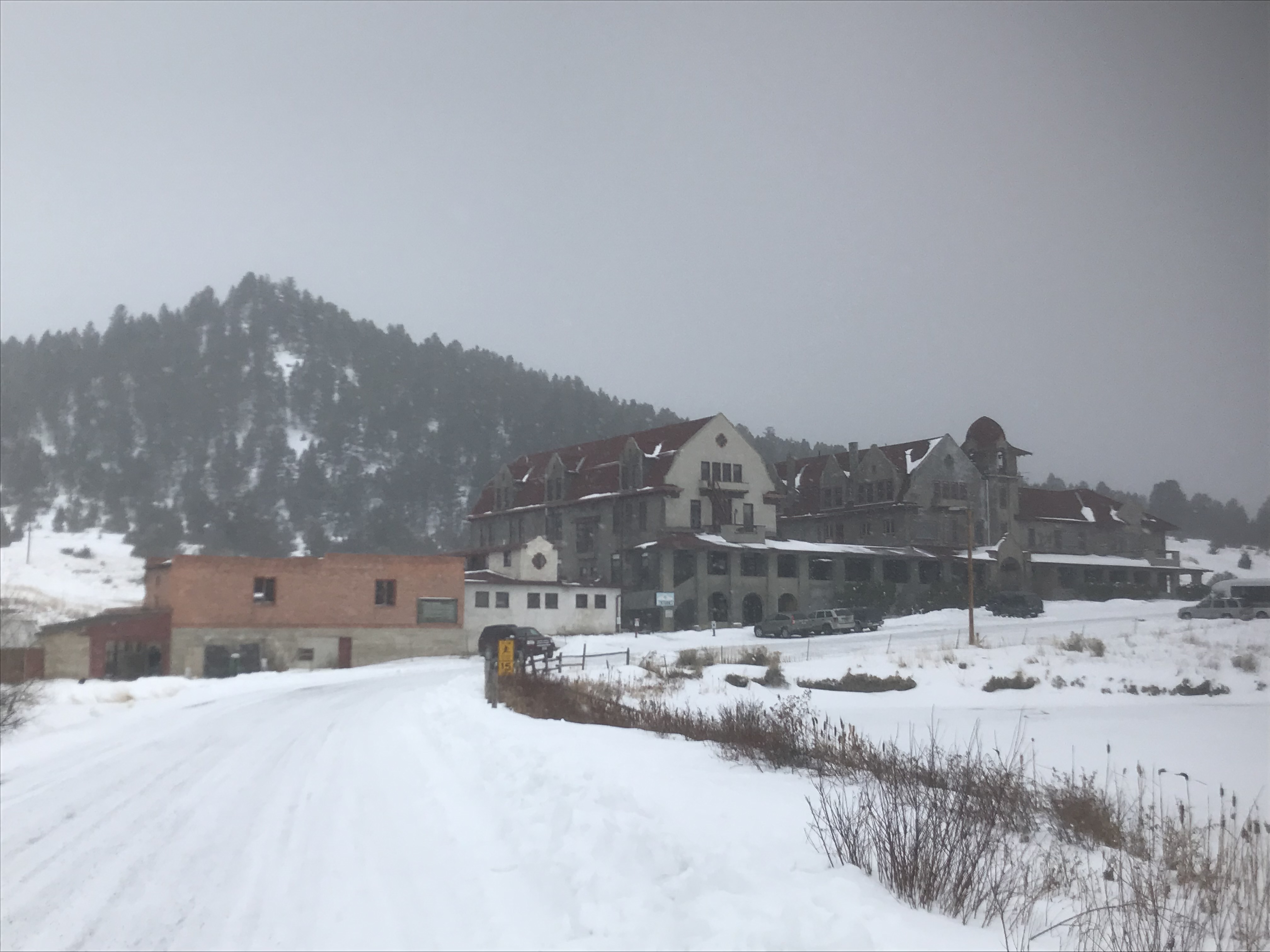
In 1989, three years after they went looking for Boulder Hot Springs, Anne Wilson Schaef found it. Schaef, a psychotherapist turned bestselling author of “When Society Becomes an Addict,” had told her realtor she wanted a hot spring. The man showing her the place kept saying it was too much. “I’ll take it,” she said. Friends from around the world pitched in, and the old hotel was saved from demolition and reopened as a retreat.
Schaef had soaked in those waters as a freshman at Jefferson High School. In 1984, she closed her psychotherapy practice, convinced that no one heals anyone else. At her workshops, people lay down on mattresses and let buried pain and rage rise to the surface. “Some of the local people call us the screamers,” she joked to the Independent Record.
I interviewed Schaef in 2019 for Montana Quarterly. That was my first taste of Boulder Hot Springs, and – like her – I couldn’t shake it. “Montana has always been my blood,” she told me. She was seriously considering moving back for her last year. She died the following January at her home in Arkansas’ Ozark country, where she had returned to her roots.
Her partners carry on the mission she started, caring for the water, the land and the historic hotel while fostering community, recovery and connection. On the grounds stands “Seven Generations,” a steel sculpture by Frederick Franck, dedicated in 2004 to honor the Iroquois teaching that every decision should be weighed against its impact on the seven generations to come.
Those two teenagers never found the turnoff. People still come looking for it, many of them hauling some pain of their own. My wife, Kari, and I found it, too, and we keep coming back. She does marketing there now.
The hot springs got a second life. The Montana Developmental Center did not. It was the town’s largest employer, and its shift change had sent people to The Lounge that night. After reports of abuse, the Legislature voted in 2015 to close it, and it shut down in 2018 after more than 125 years, taking some 250 jobs from a town of about 1,300.
“I think we’re an adaptable community,” Drew Dawson, then City Council president, said in 2021, and would say it again – with conviction – over salmon at his home.
I learned what that meant. I learned it at 2 in the morning, putting out the paper from the office on W. Centennial while a parrot screamed through the wall at The River restaurant and the owner hollered back, “Shut up! Knock it off!” I call those months editor boot camp. They nearly broke me. They didn’t.
Jan Anderson, the Monitor’s former publisher and editor, told me an editor has no time for a hobby. I rebelled immediately and found my own way to scream. Before I’d even settled in, Ryan Lewis and I started a band, Depot Hill. We jammed at brandings and at the Annual Smith Gang Testicle Festival, where Ray Wylie Hubbard’s “Snake Farm” got a wild reception.
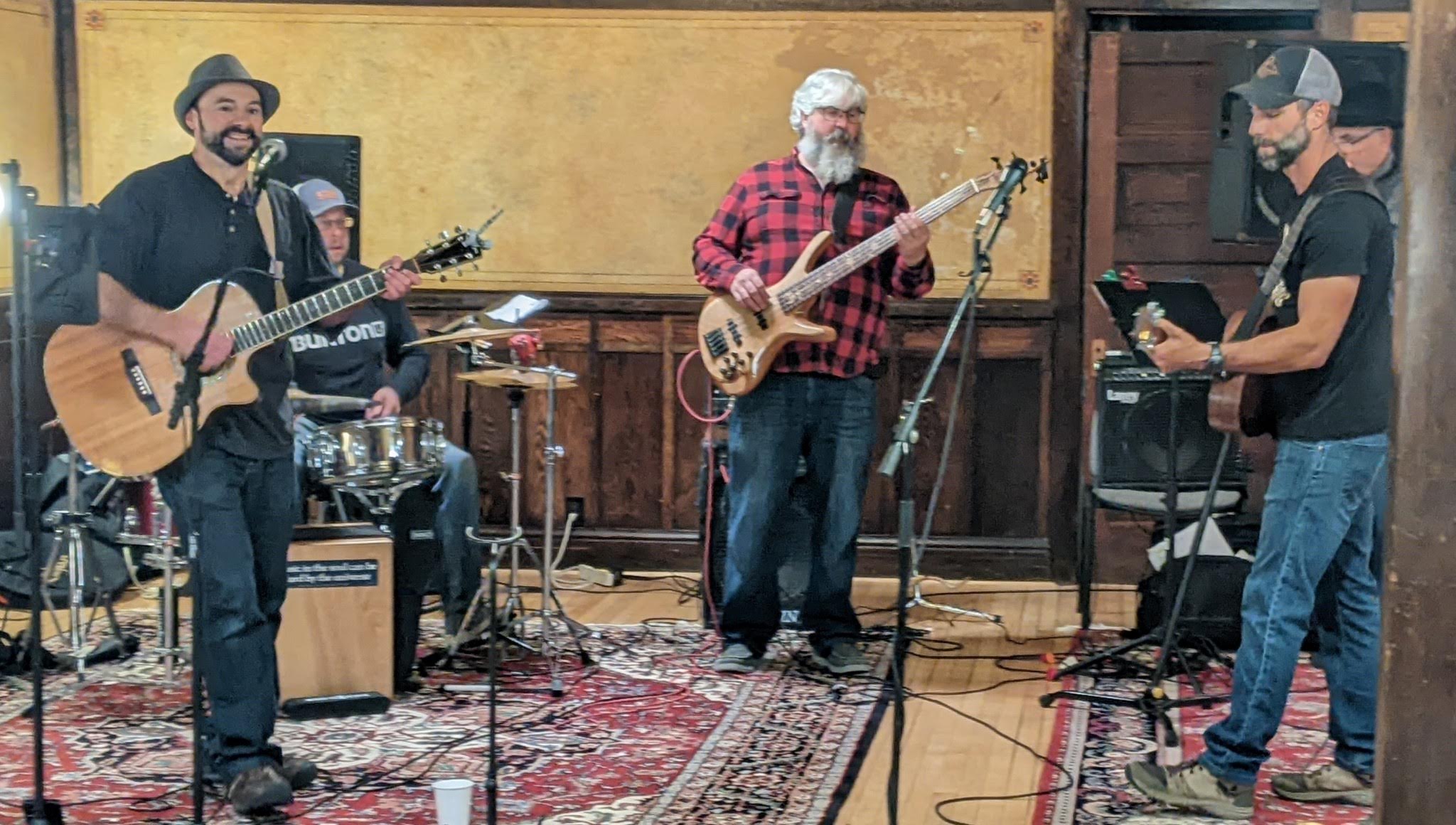
Nothing I’ve gone through compares to what Patrick Duffy faced the morning he learned his parents had been murdered. But I understand what he reached for. With film crews at his gate, the first thing he did was gather his boys and chant. Music is that for me. It’s my lifeline. It never made the hard nights go away. It carried me through them, and they left their mark.
Duffy calls suffering scar tissue. “It’s your own healing process,” Schaef said. I believe them both. We grow strongest where we broke. For me, that was those months at the Monitor. They helped make me who I am. Writing about them now is part of mine.
Boulder has its own scars: a bar where Terry and Marie Duffy died, a campus that emptied out. It remains one of the most fascinating places I’ve ever lived, and it is still sacred to me. Hope lives in places like that.
Forty years on, Patrick Duffy still chants twice a day. The water still runs hot south of town. Boulder still has work to do, and it still plans on getting to it.
So do I.


Leave a Reply